
Surge Protection for Kingston Homes: What Families Across Our Region Should Know
If you live in Kingston, you’ve experienced it: the quick flicker of the lights during a storm, a microwave clock resetting after an outage or a computer that unexpectedly restarts. These small moments are often signs of voltage fluctuations. According to Utilities Kingston, a perfectly stable voltage supply cannot be guaranteed, which is why protecting your electronics, appliances, and furnace is essential to maintaining a safe and comfortable home.
For families across Kingston, Amherstview, Bath, Sydenham, Verona, Odessa, Harrowsmith, Elginburg and Glenburnie, this is a real-world issue that comes with living in a region shaped by older infrastructure, lake-effect storms and frequent seasonal shifts.
Surge protection isn’t just a technical upgrade; it’s peace of mind. And Haven Home is here to help you understand how it works and why it matters.
Why Voltage Fluctuations Happen in Kingston
Utilities Kingston explains that voltage can rise above normal levels for several reasons. In our region, that can include:
- Lightning strikes near distribution lines
- Grid switching and maintenance work
- Power is being restored after an outage
- Equipment faults or disruptions in the system
- Sudden spikes in demand from homes and businesses
Even when these fluctuations only last for a fraction of a second, they can still push excess electricity through your home’s wiring. Over time, that extra stress can wear down the components inside furnace control boards, smart thermostats, refrigerators, washers, computers, modems, TVs, streaming devices and game consoles. You may not see damage right away, but the cumulative effect can lead to earlier-than-expected breakdowns, nuisance error codes, or systems that fail in the middle of the season.
In a climate where winter comfort relies heavily on dependable heating, protecting your furnace’s electronics becomes especially important.
A Two-Layer Protection Strategy for Kingston Homes
Both Utilities Kingston and the Electrical Safety Authority (ESA) emphasize that the most effective way to handle surges is to use a layered approach.
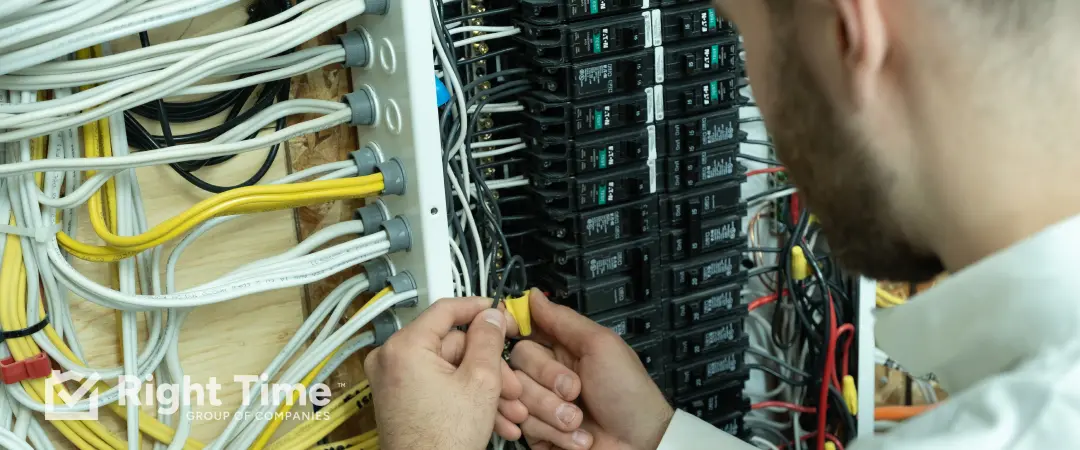
The first layer is panel-level surge protection, often called whole-home surge protection. This type of device is installed at your electrical panel by a licensed electrician and is designed to limit excess voltage before it spreads through your home. When a surge comes in from outside, the panel-mounted device helps reduce the size of that spike before it reaches your furnace, hard-wired equipment, large appliances or the circuits that supply finished basements and home offices. ESA stresses that licensed electrical contractors must install these devices to ensure they are properly grounded and comply with the Ontario Electrical Code.
The second layer is point-of-use protection, which typically consists of plug-in surge protectors or power bars. These are particularly useful for sensitive electronics such as computers, monitors, gaming systems, smart TVs, routers, modems, chargers and home office equipment. Whole-home protection helps manage larger surges coming from the utility side, while plug-in devices add a targeted shield around your most delicate and expensive equipment. When the two layers are used together, families get a much more complete and reliable defence.
What Surge Protection Can, and Cannot Do
It is essential to be realistic about what surge protection can do. Devices at the panel and at outlets can help reduce the impact of many everyday voltage spikes and can help protect equipment from fluctuations and grid events. They cannot, however, protect against a direct lightning strike to your home.
That is why Utilities Kingston still recommends unplugging high-value electronics during severe storms when it is practical to do so. Think of surge protection as a way to significantly reduce risk, not to eliminate it.
After a Surge or Outage: A Quick Safety Check
What you do after a surge or outage also matters. ESA recommends a simple sequence for bringing your home back online:
- Plug in essential appliances first, such as the fridge and furnace.
- Give the voltage a moment to stabilize before turning everything back on.
- Reconnect sensitive electronics like computers, TVs, and routers for longer.
As you do this, it is worth paying attention to early warning signs that your equipment may have been affected. Watch for:
- Burning smells from outlets, panels or equipment
- Breakers that trip repeatedly
- Buzzing outlets or switches
- Devices that no longer power on
- Flickering screens or lights
- Outlets that feel discoloured or unusually warm
ESA warns that surges can damage internal components and that such damage can increase the risk of shock or fire if left unchecked. If you notice any of these signs, it is time to stop troubleshooting and arrange an inspection with a licensed technician.
Homeowner-Friendly Tasks vs. Professional Work
Some parts of surge protection are well within the homeowner’s role. You can:
- Choose and use CSA-certified plug-in surge protectors
- Unplug electronics during severe weather when it is safe to do so
- Avoid overloading outlets and power strips
- Keep cords and outlets in good condition
- Give devices enough space for ventilation so they do not overheat
Other tasks are firmly in professional territory and should not be done as DIY projects. This includes:
- Installing a panel-mounted surge protector
- Making any changes to your home’s wiring
- Handling the electrical components of a furnace or air conditioner
- Opening electrical panels
- Investigating burning smells, buzzing or breaker issues
ESA is very clear about this line to help keep homeowners safe. If something involves wiring, grounding or the service panel, it belongs in the hands of a licensed electrical contractor.
What Makes Surge Protection Especially Important in Kingston
Kingston has a unique combination of factors that make surge protection especially relevant. Older neighbourhoods in Kingston and nearby rural communities such as Sydenham, Harrowsmith, and Hartington often have aging wiring. Lake-effect storms can roll in quickly, bringing lightning and power outages. Seasonal extremes, from humid summers to frigid winter snaps, put steady demands on heating and cooling equipment, and frequent tree-related outages in surrounding areas can increase the number of power interruptions.
When you blend these realities, you get a region where voltage fluctuations are genuinely “normal,” as Utilities Kingston highlights. In that context, surge protection stops feeling like a luxury add-on and becomes a practical part of maintaining a safe, stable home.
When to Talk to Haven Home About Surge Protection
You do not need to wait for a major electrical problem before considering surge protection. It is worth bringing up during routine electrical inspections, furnace or AC repairs, annual Maintenance Plan visits, when you are setting up a new home office, planning renovations in older Kingston homes or noticing frequent flickering lights and device resets.
Families across Kingston, Amherstview, Odessa, Verona, Harrowsmith and Glenburnie often start with simple questions, and that is precisely what we are here for. If you want help understanding what type of surge protection is right for your home, Haven Home is always ready to walk you through the options with zero pressure and clear, honest guidance.
Your home’s comfort matters, and we are here to help you protect it.