
Balancing Warmth and Humidity in Cold Weather: How Humidifiers Improve Comfort and Efficiency

Balancing Warmth and Humidity in Cold Weather: How Humidifiers Improve Comfort and Efficiency
As temperatures drop and Kingston homeowners prepare for winter, one often overlooked factor shapes comfort, health, and energy use: indoor humidity. At Haven Home, managing humidity with a quality whole-home humidifier is an essential part of winter readiness. Here is why maintaining the right range protects your family, your home, and your heating budget.
Why Indoor Humidity Matters in Winter
Cold outdoor air holds less moisture. Once that air is warmed by your furnace, indoor relative humidity (RH) can drop to uncomfortable or unhealthy levels. Health Canada recommends maintaining indoor RH around 30–50%, and about 30–35% in winter to balance comfort and condensation risk.
When humidity falls below about 30%, several issues can appear:
- Dry or itchy skin, sore throat, irritated sinuses
- Increased static electricity and a chilly feeling, even when the thermostat is set high
- Shrinking or cracking of wood floors, trim, and furniture due to dry air
From an HVAC standpoint, at modest indoor humidity (above very dry levels), air often feels warmer, so many homeowners find they can stay comfortable at a slightly lower thermostat setting. Conversely, if RH is too high in a tight, warm house, condensation may form on windows and exterior walls, which can promote mould growth or structural damage.
Comfort, Health and Efficiency: The Triple Benefit
Comfort and health
Homes kept within the recommended RH range simply feel better to live in. Proper humidity helps ease breathing, supports the body’s natural defences, and reduces common winter dryness.
Protecting your home
Consistent RH preserves wood floors, cabinetry, and furniture, while reducing static that can damage electronics.
Heating efficiency
Natural Resources Canada (NRCan) notes that humidity above very low levels reduces static and can make the air feel warmer, helping maintain comfort at slightly lower thermostat settings.
Whole-Home Humidifiers vs. Portable Units
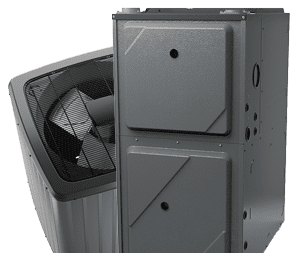
When addressing winter dryness, homeowners can choose between portable room units and a furnace-integrated, whole-home system. Haven Home recommends the whole-home solution for these reasons:
- Coverage: Distributes moisture evenly through ductwork, whereas portable units only affect one or two rooms
- Control and Integration: A built-in humidistat monitors and adjusts RH automatically with your furnace
- Efficiency and Convenience:One system usually means less maintenance and better energy performance
- Balanced Protection: Helps prevent the uneven moisture or condensation problems that spot humidifying can cause, especially in modern, airtight homes
Key Signs Your Home May Be Under-Humidified
- Static shocks when touching metal surfaces or other people
- Dry, cracked lips or itchy skin, irritated sinuses or throat.
- Wood floors or trim separating, creaking, or shrinking
- The house feels colder than the thermostat reading when the RH is low.
If you notice these, it is a good time to have your humidity controls inspected.
Timing Matters: Act Early
Do not wait until mid-winter to fix dry air. Schedule humidifier installation or inspection in early fall, before heavy furnace use begins. That ensures your system is clean, calibrated, and ready. Replace humidifier pads or filters now, check humidistat operation, and confirm airflow. Early maintenance keeps comfort steady and helps you avoid peak-season service delays.
At a Glance: Best Practices
- Target RH: 30–50% year-round. In winter, many Ontario homes are comfortable around 30–35%.
- Measure It: Use a hygrometer or integrated humidistat. Do not rely on how the air feels.
- Right-Size the System: Ensure your humidifier matches your home’s square footage and HVAC setup.
- Maintain It: Replace pads, clear drains, verify water flow, and clean components annually.
- Watch for Condensation: If you see moisture on windows or walls, RH may be too high, or ventilation and insulation may need attention.
Why Haven Home Is Your Trusted Partner
Haven Home’s whole-home humidifier solutions are engineered for Canadian climates, where winters are dry, heating loads are heavy, and air quality matters. Our specialists evaluate your home’s insulation, furnace, and ventilation (where applicable) to design the right humidity strategy for your space. For broader indoor air quality improvements, we also install UV Air Purifiers.
By controlling humidity as part of your winter-readiness plan, you are investing in comfort, health, and the long-term protection of your home’s materials and finishes.
Ready to balance warmth and humidity? Book your whole-home humidifier service today!.
Winter Humidity and Comfort Prep Checklist
By Haven Home Heating and Air Conditioning
1) Test Your Indoor Humidity
- Use a hygrometer or smart thermostat to check RH.
- Ideal winter range: about 30–35% (within Health Canada’s broader 30–50% guidance).
2) Inspect Your Furnace and Humidifier
- Confirm it is connected, powered, and clean
- Replace humidifier pads or filters before the heating season
- Verify the humidistat function
3) Look for Warning Signs of Dry Air
- Static shocks
- Dry throat or skin
- Cracking wood or shifting trim
- Rooms feel colder than the set temperature
4) Balance Comfort and Energy
- Moderate humidity can help the air feel warmer, so you can lower the thermostat slightly.
- Avoid excess moisture. If you see condensation on windows, it may mean the RH is too high.
5) Schedule Early-Season Maintenance
- Book your fall inspection with Haven Home to check your furnace’s performance, airflow, and humidity levels.
- Prevent emergency repairs and support efficiency all winter.
6) Upgrade to a Whole-Home Humidifier
- Even comfort across every room.
- Works with your existing HVAC system
- Lower maintenance than multiple portable units
Tip: Do not wait until mid-winter. Humidity balance is easiest and most efficient when established early.