
Why Your Gas Water Heater Won’t Produce Hot Water
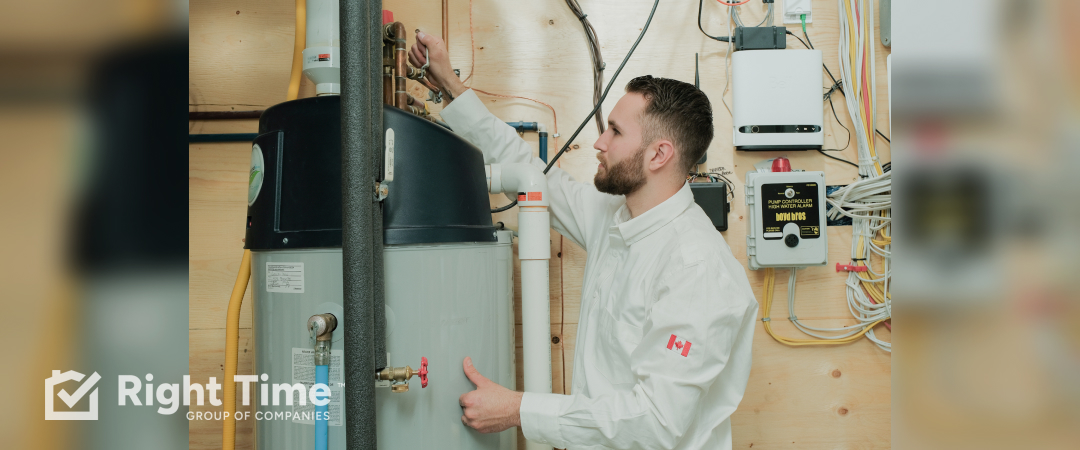
When your gas water heater displays a strong, consistent flame but fails to deliver hot water throughout your home, the issue is often something other than basic ignition. This frustrating scenario leaves many Ontario homeowners puzzled, especially when the burner appears to function normally yet hot water pipes remain cold to the touch.
The disconnect between a working flame and absent hot water typically points to internal component failures or maintenance issues rather than gas supply problems. Understanding these underlying causes can help you identify whether the situation requires immediate professional attention or if simple adjustments might restore your hot water supply.
Thermostat and Temperature Control Issues
A malfunctioning thermostat represents one of the most common reasons for this problem. Even with a good flame, a faulty thermostat may fail to signal the system to heat water adequately. For many Canadian homes, public health guidance recommends storing hot water at about 60°C (140°F) to reduce the risk of Legionella and using mixing valves so water delivered at taps is about 49°C (120°F) to help prevent scalds. If you’re unsure how your home is configured, a licensed plumber can confirm your settings and whether a mixing valve is in place.
If adjusting the temperature setting doesn’t resolve the issue, the thermostat itself may require replacement by a licensed technician. Sometimes the thermostat appears functional but sends weak or inconsistent signals to the gas valve, preventing the burner from operating at full capacity despite maintaining a visible flame.
Gas control valve problems can also restrict proper gas flow to the burner. If the flame looks strong and steady, the problem is less likely to be a general gas supply pressure. A failing gas control valve, temperature sensor, or burner/combustion issue can still lead to poor heat output even when a flame is visible. A licensed technician should handle diagnosis, since gas controls and combustion components require proper testing and safe procedures.
Sediment Buildup and Internal Component Failures
Sediment accumulation at the tank’s bottom creates an insulating barrier between the heat source and water. This buildup, particularly common in areas with hard water, dramatically reduces heating efficiency even when the burner operates correctly. Periodic tank flushing (based on manufacturer guidance and local water conditions) can help reduce mineral buildup before it affects performance.
A broken dip tube presents another frequent culprit. This plastic component directs incoming cold water to the tank’s bottom for proper heating. When cracked or deteriorated, cold water mixes with heated water at the top, resulting in lukewarm or cold output despite normal burner operation.
In some cases, sensor or control issues can cause inconsistent burner operation. However, if you have a strong, stable flame and still have no hot water, the most common culprits are heat-transfer issues (such as sediment buildup) or internal components (such as a failed dip tube or thermostat/control).
In Ontario, gas water heater repairs must comply with Technical Standards and Safety Authority regulations. Troubleshooting a gas water heater should be handled carefully. If you smell gas, leave the home and contact your gas utility or emergency services. For repairs involving gas controls, venting, or internal components, use a TSSA-registered contractor and a licensed technician to ensure the work is completed safely and in compliance.
Get Professional Help with Your Water Heater
If your gas water heater has a visible flame but still isn’t producing hot water, it’s worth having it assessed before the issue worsens. Haven Home provides water heater repair in Kingston, including 24/7 emergency service when it can’t wait. Call (613) 704-4489 to book service.