
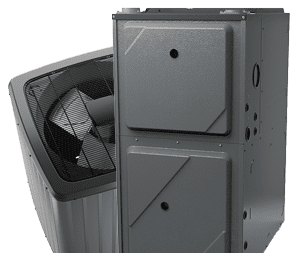
Kingston AC Start-Up Checklist: What to Check Before You Turn Your Air Conditioner On This Spring

Spring in Kingston is when many homeowners do the first “switch-on” for cooling, and that first run is when small problems show up. A simple startup checklist can help you catch issues early, maintain steady airflow, and avoid overworking your system when warmer days arrive. It’s also a smart time to think about indoor air quality, since many homes start keeping windows closed more often once cooling begins. This FAQ walks through safe homeowner checks first, then clearly flags what needs a pro.
Why Should I Do an AC Start-Up Checklist Before I Turn My Air Conditioner On?
Because your AC has likely been idle, and the first run can reveal common issues like a dirty filter, blocked airflow, a thermostat problem, or an outdoor unit that can’t “breathe.” Doing a quick check before the first warm stretch can reduce surprises and help you know whether it’s time to book an HVAC service for a tune-up or repair.
What’s Safe for Me to Check Myself, and What Should a Technician Handle?
Homeowner-safe checks are mostly visual and airflow-related:
- Changing the HVAC filter
- Clearing vents and return grilles
- Clearing debris around the outdoor unit (power off)
- Basic thermostat settings
Pro-only items include electrical diagnosis, refrigerant issues, sealed panel access, airflow measurements, and any duct modifications. If you’re unsure, it’s safer to book HVAC service than to guess.
What Should I Check on My Thermostat Before I Do Anything Else?
Set the thermostat to Cool and lower the temperature a few degrees below the current room temperature. Confirm:
- The display is working (fresh batteries if applicable)
- The fan setting is in the expected mode (Auto is typical)
- The system is responding when it calls for cooling
If the system doesn’t respond at all, that could indicate a control or power issue, best handled by HVAC contractors.
How Do I Check My Filter the Right Way for Spring Start-Up?
A dirty filter is one of the most common causes of weak airflow and poor comfort. Replace the filter if it looks dusty or clogged, and confirm:
- It’s the correct size
- It’s seated properly
- The airflow arrow points in the right direction
NRCan recommends inspecting, cleaning, or changing air filters regularly as part of heating and cooling system upkeep.
Which Vents and Returns Should I Check Before I Run the AC?
Before your first cooling cycle:
- Make sure supply vents aren’t blocked by rugs, furniture, or drapes
- Make sure return grilles are not covered or packed with dust
- If you recently did renovations, check for dust buildup near returns
Strong airflow supports comfort and helps your system run more steadily.
What Should I Check Outside Before Turning On the AC?
With the power off to the outdoor unit, do a quick perimeter check:
- Clear leaves, sticks, and debris around the condenser
- Make sure there’s open space around the unit for airflow
- Look for obvious damage (bent fins, loose panels, visible wear)
Avoid washing or opening panels unless you’re trained. If anything looks off, it’s a good reason to schedule HVAC service in Kingston, Ontario.
What Are the Early Warning Signs That Mean I Should Stop and Call a Pro?
If you notice any of the following during your first test run, stop the system and call a professional. These are signs of issues that are typically not DIY and can worsen if the system continues to run.
- Warm air blowing consistently when cooling is on
- Loud buzzing, grinding, or persistent rattling
- Repeated cycling on and off
- Burning or electrical smells
- Ice buildup on lines or the indoor coil area (do not chip or scrape)
These issues are typically not DIY and can worsen if the system continues to run.
How Can I Tell If I Have an Airflow or Duct Issue in My Kingston Home?
Clues that point to airflow or duct problems include:
- Some rooms stay much warmer than others
- Weak airflow from certain vents even after a filter change
- Whistling sounds, new rattles, or noticeable drafts near duct runs
- Comfort issues that repeat every cooling season
If that sounds familiar, a technician can help determine whether you need an air duct repair or a simpler airflow restriction.
When Would “Air Conditioning Duct Installation” Come Up for an AC Start-Up?
Most homes do not need new ductwork just because they are doing a spring start-up. However, air conditioning duct installation may be necessary if your home’s duct system cannot support the airflow your equipment requires or if you are significantly changing the setup.
Air conditioning duct installation may be relevant if:
- You’re adding central air to a home that never had it
- You’re replacing major HVAC equipment, and the duct system is undersized or deteriorated
- You’ve had persistent airflow issues that can’t be solved with balancing or minor repairs
Duct design and installation are pro-only work because it affects airflow, performance, and comfort.
How Does AC Start-Up Connect to Indoor Air Quality in Spring?
Once the cooling season begins, many households keep their windows closed, making air cleaning more important. A clean filter and clear returns are the baseline. If odours linger, allergies worsen, or you want a more active approach, it may be worth discussing an air purifier option that’s compatible with your HVAC setup.
Health Canada also emphasizes practical steps to improve indoor air quality at home, such as addressing sources and using ventilation where appropriate.
What’s the Best Next Step If I Want This Done Properly Before Warmer Weather Hits?
If your system is older, you’ve had uneven cooling, or you notice any warning signs at startup, booking a checkup early is the safest move. A professional visit can confirm airflow, catch small problems before they become major issues, and help you plan next steps to improve comfort and indoor air quality.
If you’d like a spring checkup before the first warm stretch, book an HVAC service with Haven Home and ask whether airflow, duct condition, or air quality upgrades make sense for your home.